Troubleshooting
Signs Your Heater May Need Repair
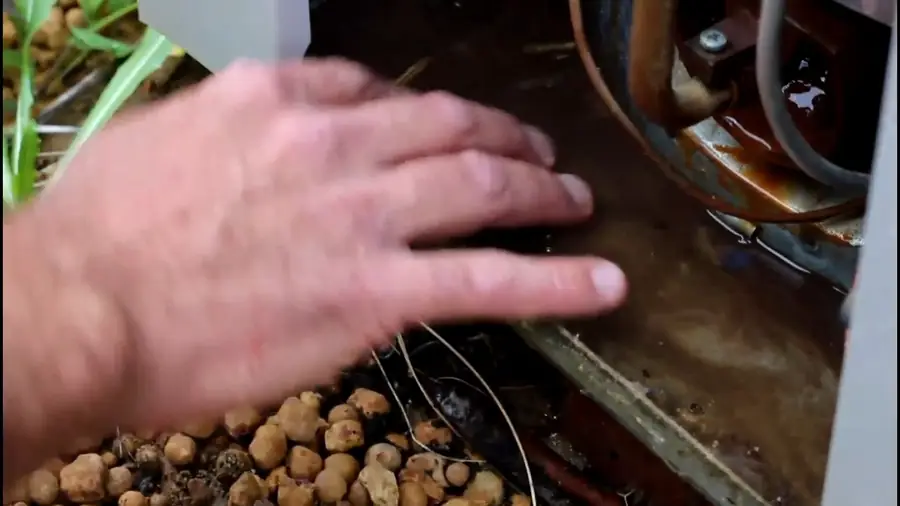
Review temperature changes, noises, leaks, and other warning signs worth noting.
Read guide
A new unit performs well when type, size, hookups, and venting all match the home. Careful installation sets up years of steady hot water.
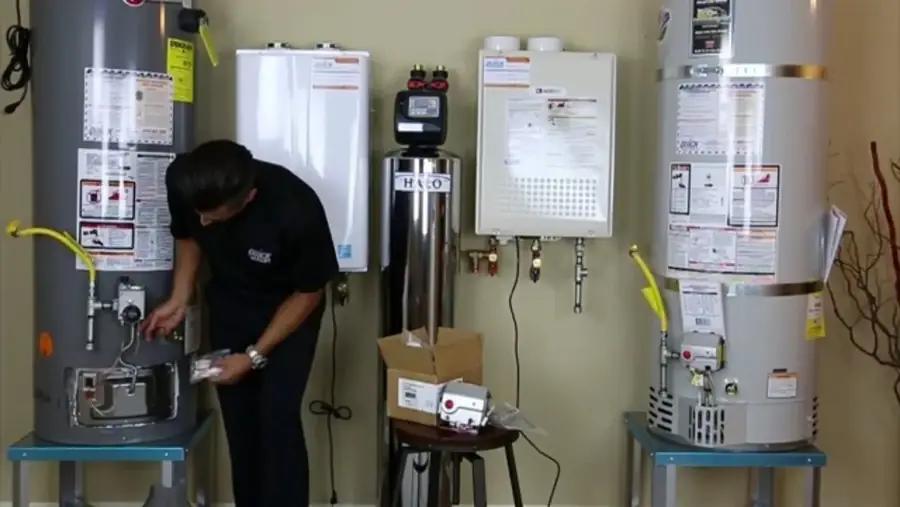
Anyone adding a new heater for a home or business can start by choosing the right type and size. From there, installation covers sizing, hookups, and venting so the new unit functions well for years.
Technicians follow local codes and regulations, which keeps the work safe and compliant at every step. In Garden City, many units sit in basements, garages, closets, or utility rooms, so access and clearances deserve attention before anything is ordered.
Installation also supports replacements. The current unit is assessed, honest recommendations are shared, and the options are explained so the decision feels informed. Solutions that are sustainable and improve comfort are worth considering. See the replacement page for the repair-or-replace side of the choice.
Floor space, clearances, ventilation, and access for future service all affect the layout. Tankless units mount on a wall and open up room, while tanks need a level base and a drain pan in many homes. Basement and attic locations call for extra care with drainage.
Nearby topics include tankless repair, gas unit repair, and electric unit repair. Return to the Garden City hot water repair overview or browse all service topics.
Household size, peak demand, and the number of fixtures set the capacity. Fuel type and venting options narrow the choice.
Yes. Installation should follow local codes, including venting, relief valve, and safety requirements.
Often yes, though venting, gas line size, and electrical capacity may need changes. A site check confirms what is required.
The unit is tested, settings are reviewed, and maintenance tips are shared so it keeps performing.
Call to describe what changed and ask about scheduling in Garden City, NY.
Practical information to help describe symptoms and prepare questions.
Review temperature changes, noises, leaks, and other warning signs worth noting.
Read guideCompare design, capacity, space, and maintenance for each type.
Read guideLearn how to reduce risk and what to tell a technician about a leak.
Read guide