Troubleshooting
Signs Your Heater May Need Repair
Review temperature changes, noises, leaks, and other warning signs worth noting.
Read guide
A puddle near the tank deserves quick attention. The source decides whether a fitting, a valve, or the tank itself is the problem.
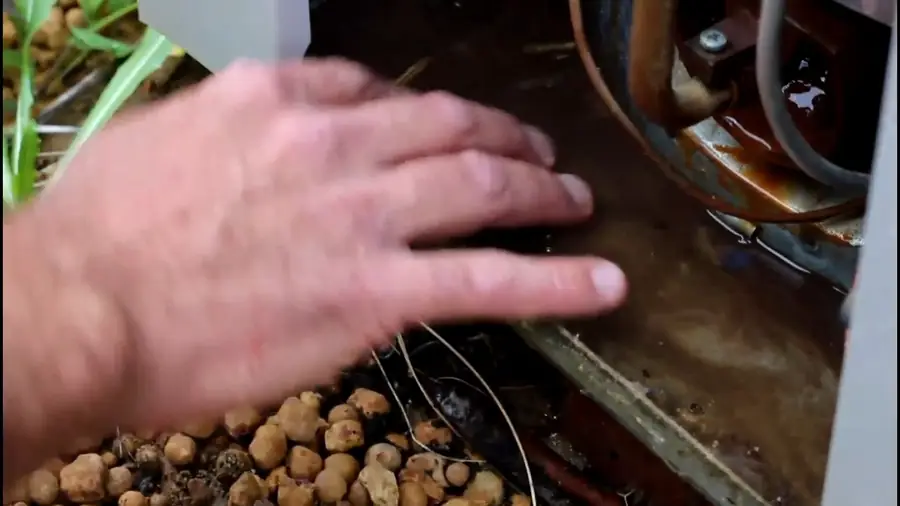
Water around the tank can come from a loose connection, a dripping relief valve, condensation, or a failing tank shell. A fitting or valve can often be repaired, while a tank that leaks through its body usually needs replacement.
Garden City's humid summers add to the picture, because damp utility spaces speed up rust on fittings, drain pans, and tank bases. A small drip left alone can grow into tank failure and water damage, especially in a basement, garage, or closet where nobody looks often.
A technician dries the area, checks each connection and valve in turn, and inspects the base and drain pan for signs of a slow seep. Confirming the exact source avoids swapping parts that were never the problem. The leaking tank guide lists what to note before the call.
Switch off power at the breaker or set a gas unit to its pilot setting, close the cold supply valve to the tank, and keep people away from standing water near electrical parts. Never cap or plug a relief valve.
Nearby topics include relief valve repair, replacement, sediment flushing, and no hot water. Return to the Garden City hot water repair overview or browse all service topics to compare options.
It depends on the source. Connections and valves can often be serviced. A tank leaking through its shell usually needs to be replaced.
A slow drip can signal a failing part and may lead to water damage over time. It is worth having the source identified.
If it is safe to reach, closing the cold supply valve slows the leak. Keep clear of standing water near electrical components.
The valve may be releasing excess pressure or temperature, or it may be worn. A technician can test it and explain the cause.
Call to describe what changed and ask about scheduling in Garden City, NY.
Practical information to help describe symptoms and prepare questions.
Review temperature changes, noises, leaks, and other warning signs worth noting.
Read guideCompare design, capacity, space, and maintenance for each type.
Read guideLearn how to reduce risk and what to tell a technician about a leak.
Read guide