Troubleshooting
Signs Your Heater May Need Repair
Review temperature changes, noises, leaks, and other warning signs worth noting.
Read guide
Replacing a heater is a real investment, so the decision deserves clear information about age, condition, and repair value.
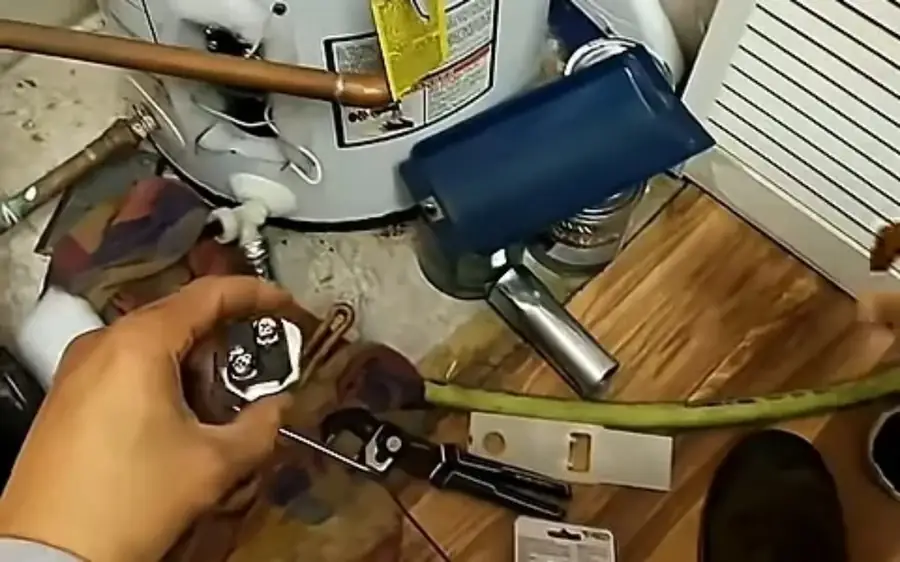
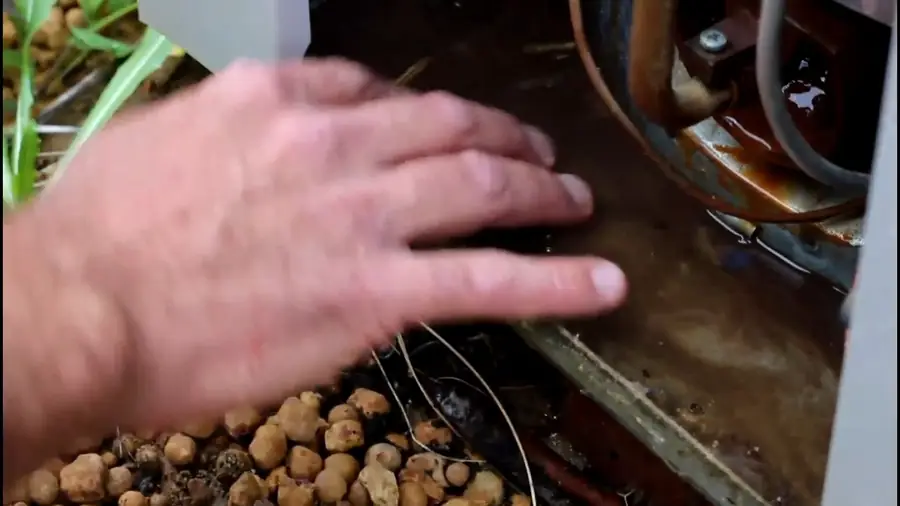
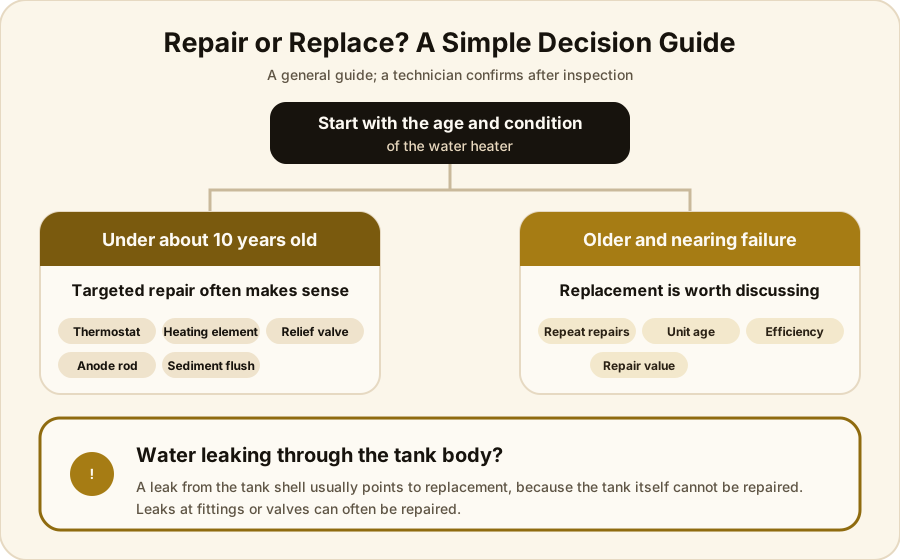
A heater nearing the end of its life tends to show it through repeat repairs, leaks, rusty water, or rising energy bills. Replacement is worth discussing when a tank leaks through its body, repairs keep returning, or the unit no longer matches what the household uses.
Most systems under about ten years old do well with targeted repairs, while older units close to failure may call for a replacement conversation. A technician weighs age, repair history, and expected remaining life. If the unit is already failing, the no hot water page explains the first checks.
The current unit is assessed first, then repair value is compared with replacement. Options are explained in plain terms so the decision rests on facts about age, efficiency, and condition, not pressure.
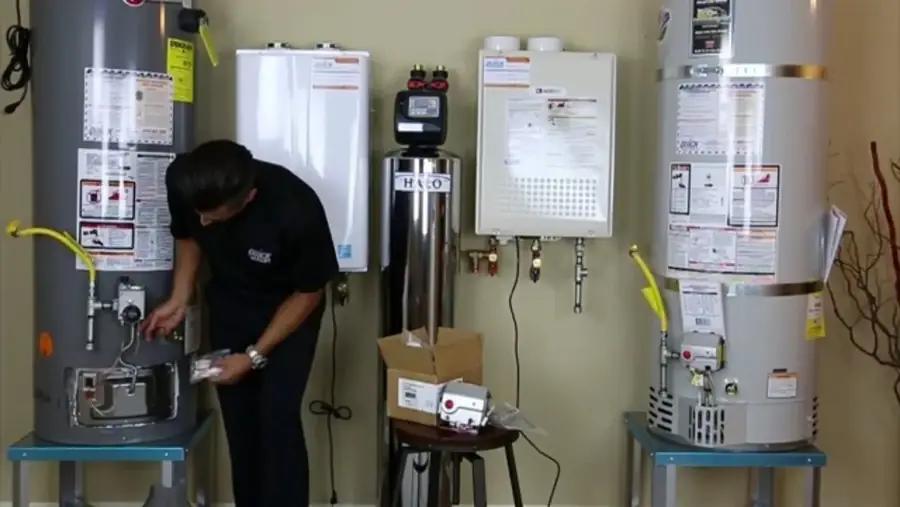
Type and size matter. Tank and tankless models, fuel source, venting, and available space all shape the right fit. A well-matched unit improves comfort and day-to-day function, and it may open the door to a more sustainable setup. The installation page covers what the swap involves.
Nearby topics include tankless repair, leak repair, and gas unit repair. Return to the Garden City hot water repair overview or browse all service topics.
Replacement often wins when the tank body leaks, the unit is old and failing, or repairs keep recurring. A younger unit usually suits a targeted repair.
Household size, peak hot water use, and the number of fixtures guide capacity. A technician can help match a unit to those needs.
No. Tank and tankless models both work well. Space, fuel type, and demand help decide.
Removal is commonly part of a replacement. Confirm the details of the work when it is arranged.
Call to describe what changed and ask about scheduling in Garden City, NY.
Practical information to help describe symptoms and prepare questions.
Review temperature changes, noises, leaks, and other warning signs worth noting.
Read guideCompare design, capacity, space, and maintenance for each type.
Read guideLearn how to reduce risk and what to tell a technician about a leak.
Read guide